
Know Your Risk
Start by understanding the hazards in your area. Check whether your community is prone to coastal flooding, storm surge, landslides or river flooding. Confirm if your home is inside an evacuation zone and note the closest official shelters.
Have a family plan—decide where you will meet and how you’ll communicate if you become separated.
Create an Emergency Kit
Your kit should support your household for at least three days. Include:
- Water (about 1 gallon per person per day)
- Non-perishable food such as canned goods and dry snacks
- Baby supplies if needed
- A battery-powered or crank radio for NaDMA and Met Office updates
- A flashlight with extra batteries
- Important documents (IDs, land papers, medical records, insurance) secured in a waterproof pouch
- First-aid basics, prescription medicines and personal hygiene items
Protect Your Home
Reduce the risk of damage by bringing in or securing loose outdoor items that could become flying debris. Reinforce doors and windows—close shutters if available—and trim tree branches hanging over your roof or near power lines.
Stay Informed
Follow updates from NaDMA, the Meteorological Office and official government channels. Learn the difference between alerts: a Watch means “be prepared,” while a Warning means “take action now.” Keep phones and power banks fully charged, and store important numbers in case networks fail.
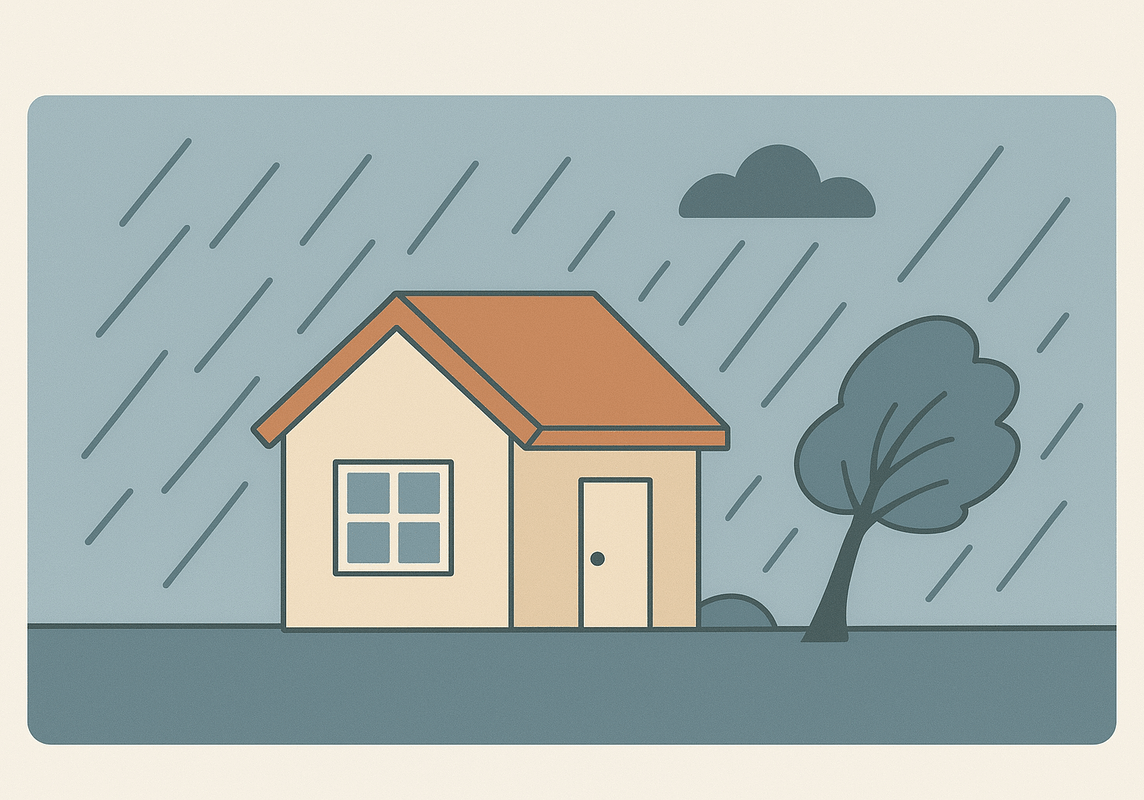
Follow Official Instructions
Listen continually to local radio, TV or verified online sources for NaDMA advisories. If authorities issue an evacuation order, leave immediately using recommended routes.
Stay Indoors and Shelter Safely
Remain inside a secure building and keep away from windows and glass doors. Move to an interior room, corridor or small enclosed space on the lowest safe level. Keep your emergency kit and important documents where you can access them quickly.
Avoid Floodwaters
Do not walk, swim or drive through floodwater—it’s often deeper, faster and more hazardous than it appears. Keep children and pets away from rivers, drains and the seafront throughout the storm.
Keep Emergency Supplies Close
Have your flashlight, radio, water, snacks and first-aid supplies in the room where you’re sheltering. Turn off gas and electricity if instructed, or if flooding threatens your home.
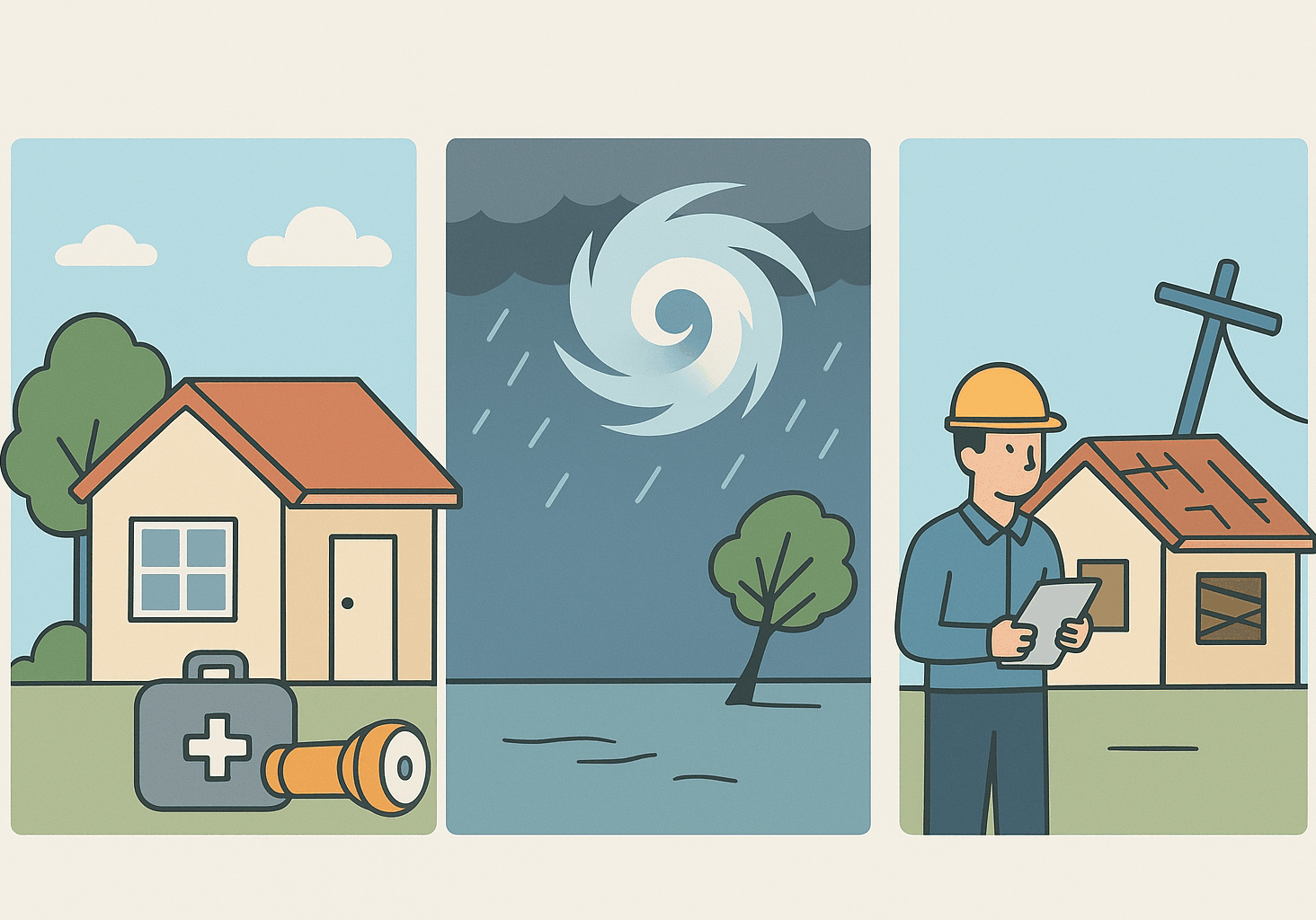
Wait for Official Clearance
Leave your shelter only when authorities confirm it is safe. Continue listening for updates about safe routes, hazards and available relief services.
Avoid Downed Power Lines and Other Hazards
Stay well away from fallen or low-hanging power lines and report them to the utility provider. Watch for unstable trees, landslides, sharp debris and broken glass. Avoid using appliances that got wet until inspected by a qualified technician.
Check for Structural Damage
Inspect the exterior of your home before entering. Look for cracks, leaning walls, sagging roofs or any smell of gas. If you suspect serious structural issues, do not go inside—seek professional assistance.
Document Damage & Seek Assistance
Take clear photos and videos of any damage before you begin cleaning. Keep receipts for emergency repairs or purchases. Listen for official notices about shelters, relief services and recovery support from NaDMA and partner agencies.