Understanding Your Risk
Earthquakes can happen with little or no warning and vary in strength and impact depending on their depth, location, and magnitude. Communities near fault lines, coastal areas vulnerable to tsunamis, and regions with older or poorly constructed buildings face higher risk.
Potential impacts include severe ground shaking, structural collapse, disrupted transportation and utilities, injuries, and long-term displacement. Recognizing these risks allows households, schools, and businesses to plan effectively and reduce potential harm.
Planning Ahead
Preparing before an earthquake greatly improves safety and recovery outcomes. Simple steps can protect lives and limit damage.
Secure heavy furniture, shelves, and appliances to prevent tipping
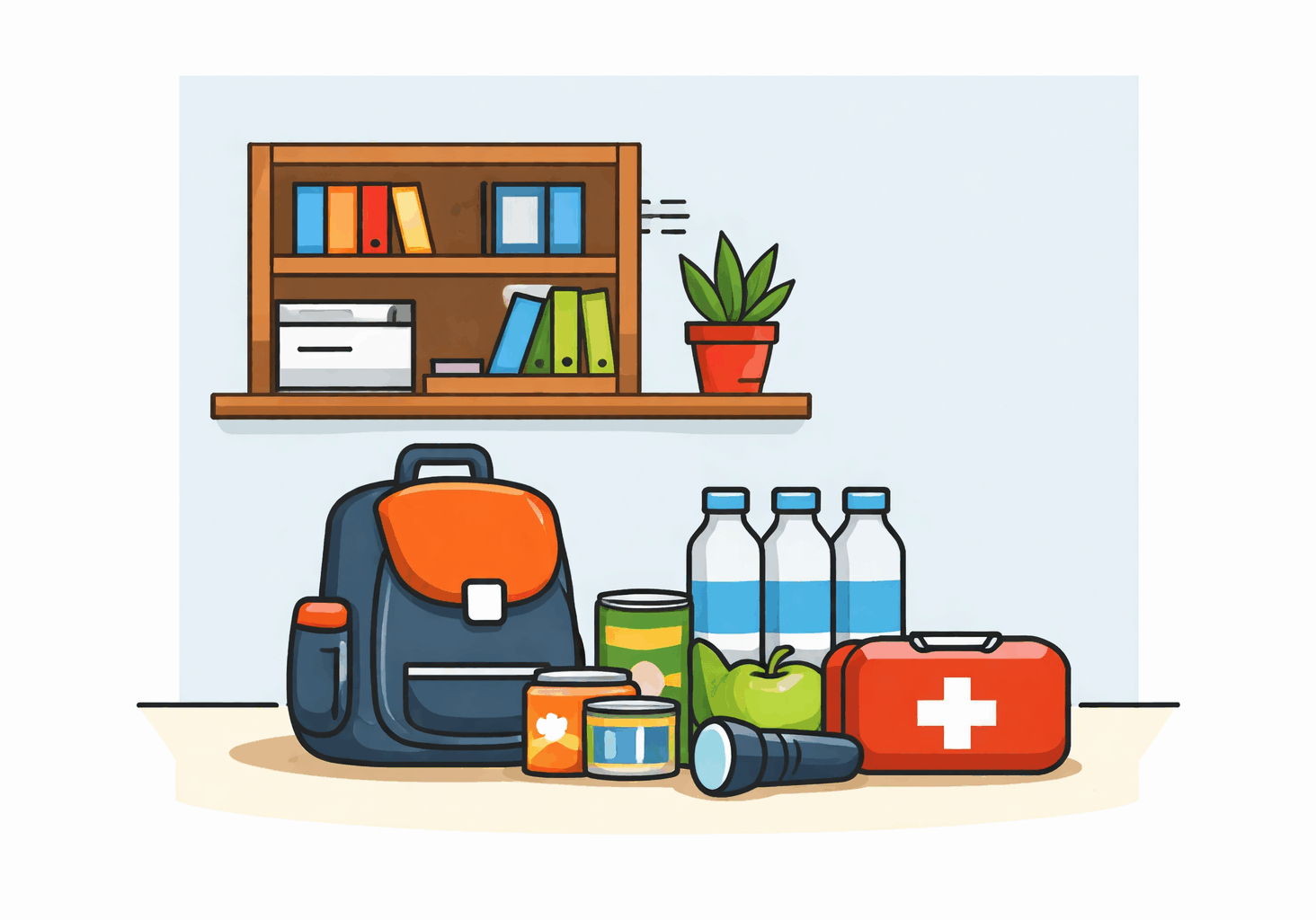
Prepare an emergency kit with water, food, medications, flashlight, and first aid supplies
Identify safe indoor locations away from windows and heavy objects
Create a family or workplace emergency plan and practice earthquake drills
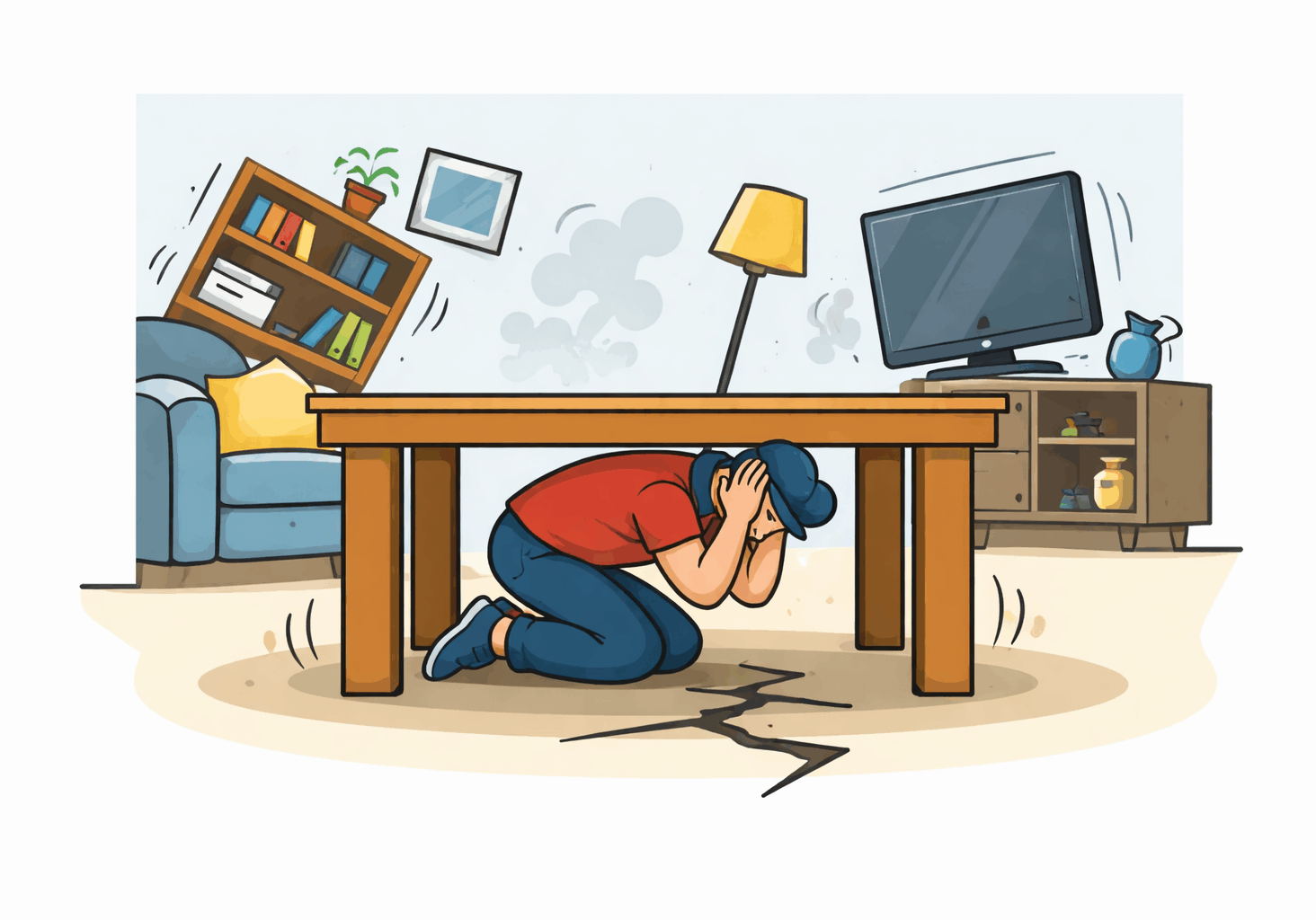
When pressure along a fault is released, the ground begins to shake as seismic waves travel outward from the epicenter. Shaking can range from mild vibrations to violent motion lasting several seconds or longer.
Strong earthquakes may cause buildings to sway or collapse, roads and bridges to crack, power and water systems to fail, and landslides or tsunamis in vulnerable areas. Aftershocks often follow and can cause further damage..
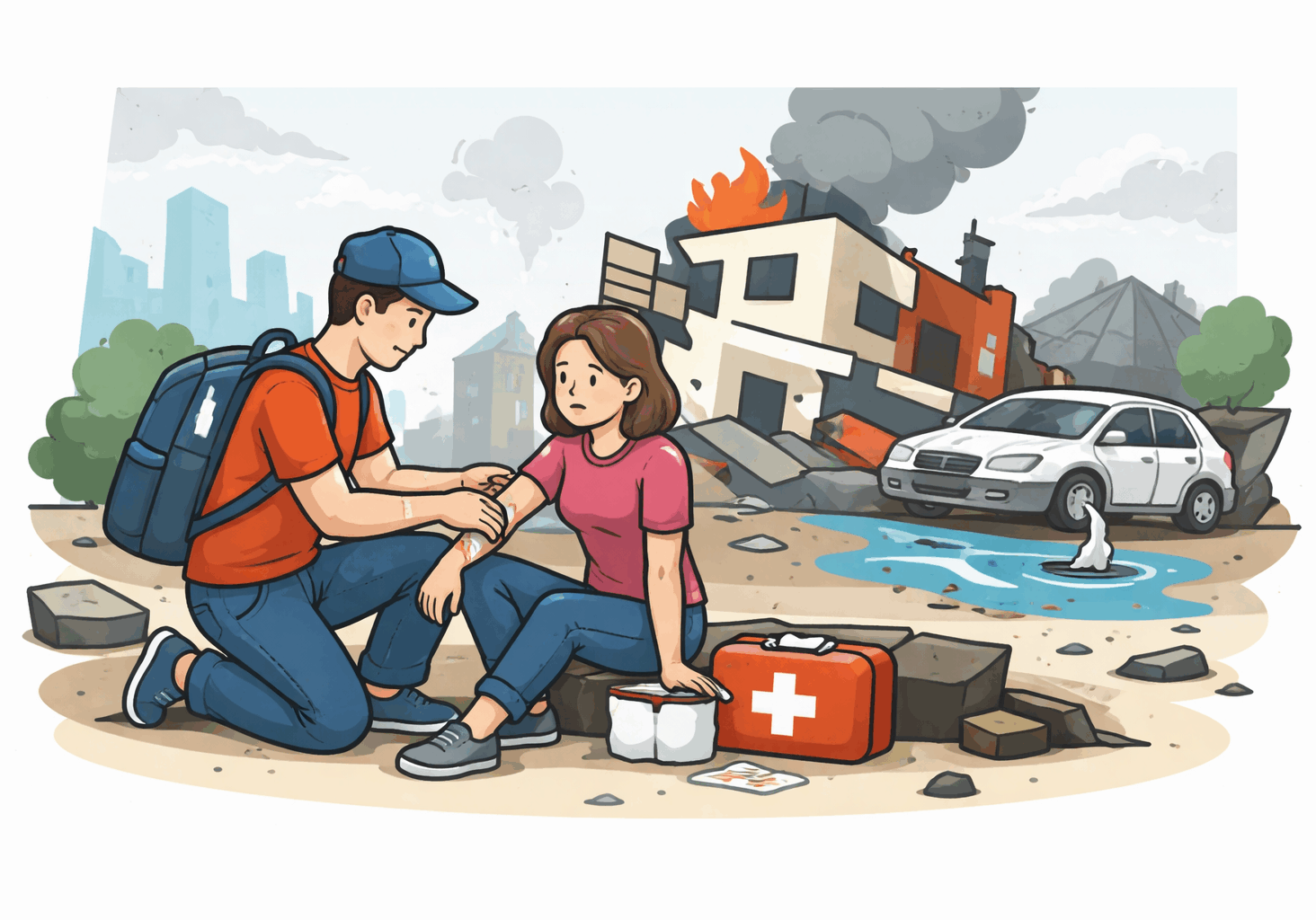
Once the shaking stops, communities may experience continued aftershocks for days or weeks. Emergency response efforts begin as people assess injuries, damage, and access to essential services.
Common challenges include disrupted utilities, unsafe buildings, blocked roads, and temporary displacement. Recovery can take weeks to years depending on the severity of the event and local preparedness.